

















A Checkbook IRA gives you something most retirement accounts can’t: direct control. You get to explore alternative investments while capitalizing on the tax benefits of an individual retirement account. Plus, since you hold the reins on this self-directed account, you can move in on new opportunities quickly.
This financial freedom comes with responsibility, though. With a Checkbook IRA, you are both the investor and the fiduciary. And as the fiduciary, the IRS expects you to know the difference between compliant investments and self-directed IRA prohibited transactions.
The good news? Once you know the rules, you can avoid prohibited transactions with your IRA and tap into the full potential of self-directed retirement accounts.
So, what are the prohibited transactions for an IRA? And how do you stay compliant with Checkbook IRA rules?
Let’s break it all down.
Quick side note: this article focuses on Checkbook IRAs, but the rules are largely the same for Solo 401(k)s as well. So if you have a Solo 401(k), you can apply this explanation of prohibited transactions to your account.
What Counts as a Prohibited Transaction?
IRC Section 4975 broadly prohibits certain financial transactions between an IRA and its “disqualified persons” to prevent self-dealing and the improper use of tax-advantaged retirement funds for personal benefit. IRS-prohibited transactions aren’t just about what you do with your investments; they’re about who benefits and when.
In general, you and your disqualified persons can’t:
- Borrow money from your account.
- Sell property to the account.
- Use the funds to finance a business you own.
- Use the account as collateral for a loan.
- Use the account to buy property for personal use.
- Use the funds to invest in life insurance policies, S-Corp stocks, or collectibles (like rare coins, art, wine, etc.).
- Collect compensations for managing the account.
To put it simply, your IRA should benefit your future self, not your present self, your family, or any business you own. Engaging in a prohibited transaction is one of the most serious Checkbook IRA mistakes and could disqualify your account from tax-advantaged status, resulting in taxes and penalties.
Who Counts as a Disqualified Person?
The IRS specifically calls out the following people and legal entities as disqualified persons who cannot benefit from the investments in your retirement account:
- Present-day you (the account holder). Your future self will benefit from the investments once you retire, but you can’t collect perks from your Checkbook IRA investments today.
- Your spouse.
- Your parents, grandparents, children, grandchildren, and their spouses.
- Any entity you own or control.
- Any advisor or fiduciary with responsibility for your IRA.
There’s no specific mention of siblings, cousins, or friends being disqualified persons from an IRA.
Real-World Examples: What’s Allowed, What’s Prohibited, and What’s Risky
Your Checkbook IRA may be used to:
- Purchase real estate that is held strictly for investment and kept at arm’s length by hiring a professional to manage the property on behalf of the account.
- Invest in private businesses, startups, or LLCs that you and your disqualified persons don’t own or control.
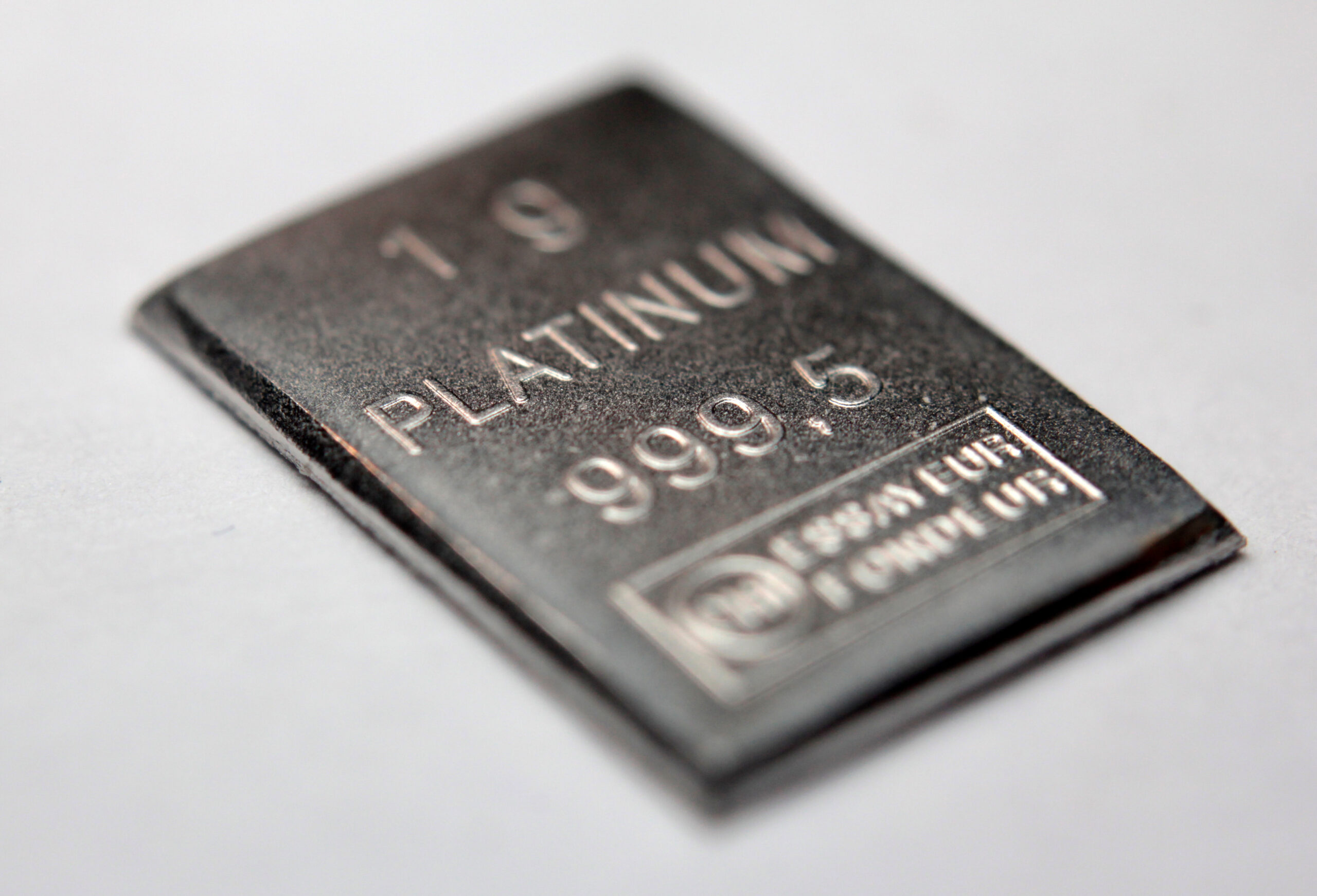
- Buy precious metals that meet IRS purity standards and are stored with an approved depository.
- Acquire tax liens or tax deeds.
- Invest in private lending, promissory notes, or mortgages to non-disqualified persons.
- Hold cryptocurrency and other alternative assets through the IRA-owned entity.
Here are some common IRA prohibited transactions examples:
- Buying a rental home and letting your kids live there (even if they pay rent).
- Buying a house or condo and using it as a vacation home (even if you or your disqualified persons stay there just one night).
- Buying a rental property and managing/maintaining it yourself.
- Loaning money from your IRA to yourself or any of your disqualified persons (or any entity owned or operated by yourself or your disqualified persons).
- Buying restricted assets, such as collectibles, life insurance policies, and S-Corp stock.
- Paying yourself or another fiduciary to manage the IRA.
There are also a few transactions that might not be expressly prohibited by the IRS, but are risky because they violate the intention of the prohibited transactions rules. These include:
- Buying precious metals but storing them at home. There is an IRS exception for certain highly refined bullion, provided it’s in the physical possession of a bank or an IRS-approved nonbank trustee.
- Buying a unit and renting it out to your sibling. Even though siblings aren’t technically disqualified persons, the IRS could view the relationships as being too close for an arm’s-length transaction. This could be interpreted as an indirect personal benefit, which is prohibited.
How to Stay Compliant With Checkbook IRA Rules
You don’t need to memorize the tax code to keep your Checkbook IRA safe. You just need to establish a few core habits.
- Keep personal and IRA finances completely separate. Your IRA income and expenses shouldn’t ever co-mingle with your personal finances.
- Choose a custodian who understands self-directed rules. A traditional custodian may not know enough about the structure of a Checkbook IRA to provide sound guidance. Self-directed specialists help you stay inside the lines without sacrificing flexibility.
- Document everything. If the IRS ever requires more information, you want to be able to present clean, clear records showing that your investments are permitted, the transactions are all arm’s length, and there’s been no personal benefit to you or your family.
- Avoid performing “services” for your IRA. You can direct your IRA funds, but you cannot work for your IRA-owned business or property. This includes sweat equity, so you can’t, for example, maintain the landscaping at your IRA’s rental property yourself.
- When in doubt, ask before you act. A quick self-directed IRA compliance check with your CPA or tax professional can save your IRA from becoming taxable overnight.
Smart investors don’t attempt to “pull one over” on the IRS. They work within the rules to take advantage of legitimate tax breaks.
The Takeaway
When you play by the rules, self-directed retirement accounts are powerful and flexible.
Checkbook IRAs give you outstanding control over your investments and your future — as long as you stay within the framework.
Prohibited transactions aren’t intended to limit your portfolio’s potential. They simply keep your retirement funds focused on building future wealth without extending unfair advantages.
Understand the rules, keep deals at arm’s length, document everything, and enjoy the freedom of self-direction with the confidence that comes from knowing you’re going about things the right way.