






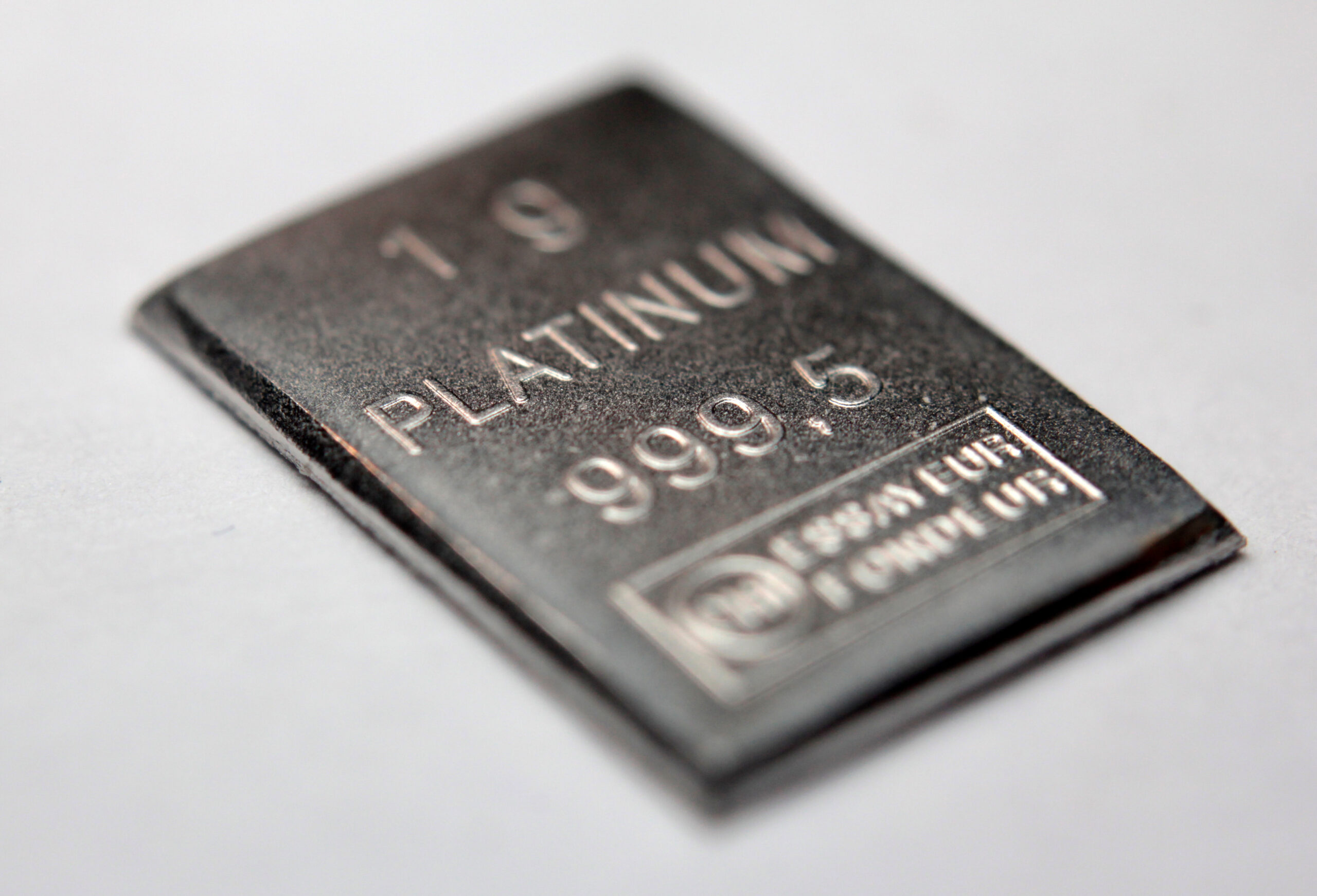












There’s something deeply reassuring about holding precious metal in your hand. A gold coin. A silver bar. A platinum round. It’s tangible, easy to understand, and you don’t need a password to access it. Many investors gravitate towards precious metals because they’ve been burned by the system before. They’ve watched financial institutions make promises they didn’t keep. They’ve seen volatility in the financial markets. And they like the fact holding precious metals eliminates counter party risk. For many, physical precious metals ownership represents independence, control, and protection against financial instability. But in modern investing, ownership doesn’t always require physical possession. When it comes to precious metals storage options, the structure you choose can significantly affect your security, liquidity, and flexibility.
Allocated vs. Unallocated Precious Metals: What’s the Difference?
The main difference between allocated vs. unallocated precious metals is how the ownership is structured. Both options give you exposure to metals like gold and silver, but they function differently behind the scenes.
Allocated Precious Metals
When you purchase allocated precious metals, including allocated gold and silver, you’re buying specific bars or coins. This applies whether you’re investing in gold, silver, platinum, or palladium.
You can choose to either have them sent to your residential address of record at any time or store them with Battle Bank in a secure vault. Either way, you retain full ownership of the specific identifiable assets.
In summary, an allocated metals account gives you the ability to buy and store specific coins or bars that can either be stored on your behalf or delivered to you.
Unallocated Precious Metals
Unallocated metals take a different approach.
Instead of owning specific bars or coins, you own a claim to a set amount of metal. While you still own physical metal, your holdings are part of a pooled system alongside other investors rather than tied to individually identified pieces. This structure can apply across gold, silver, and other precious metals.
Unallocated accounts are typically considered more efficient because there is no need to track and store specific items. Battle Bank also does not charge storage fees on unallocated metals, which can reduce overall cost.
While physical delivery is not a part of the standard structure, you can convert your unallocated metals into allocated, and select specific coins or bars to be delivered to your residential address of record.
The Case for Holding It Yourself
There is a simple idea behind having physical custody of precious metals. If you hold it, you control it.
It’s a legitimate investment philosophy that avoids counterparty risk, policy changes, and reliance on a system you don’t really trust.
For gold and silver investors, especially, physical possession is more than a storage preference. It’s the whole point.
Keeping metals at home also feels like a form of preparation. Many precious metals investors have a long-term wealth preservation mindset. They think in decades, not quarters, and want assets that will still be standing even if the unthinkable happens.
The instinct to hold your precious metals makes sense, but is physical control the only way to achieve security?
The Reality of Managing Your Own Storage
Keeping your metals at home in your safe seems like a simple solution, but it comes with some hidden costs you may not have considered.
The security risk is the most obvious. If word gets out, your home can become a target. Most homeowners’ insurance policies don’t adequately cover precious metals losses, or they require extra coverage.
If you’re a silver investor, it’s easy to underestimate just how much room you need to store it. Even a modest holding is very heavy and can take up significant space. And if you need to convert your metals to cash, expect a delay. Shipping, authentication, and logistics can slow down the process.
Some people self-store metals for the purpose of easily passing them on to their heirs. But without the right planning, this often makes estate transfers more complex.
Advantages of Allocated Vault Storage for Precious Metals
When you compare storing precious metals vs. home storage, the differences become more obvious as your holdings grow. Allocated vault storage addresses most of the risks of home storage without requiring you to give up ownership. Here are some of the key advantages:
- Institutional-grade security: Professionally managed vaults offer monitoring, armed response, and disaster-resistant construction beyond what most home systems can match.
- Liquidity and transaction efficiency: Vault-stored metals are bought, sold, and repositioned faster and with less friction than metals you hold at home. In many cases, this eliminates the need to arrange for delivery, associated logistic delays with the delivery process, as well as authentication of the metals.
- Diversification of risk: Vault storage gives you the opportunity to keep your holdings in different geographic locations, minimizing the inherent risk that comes with storing metals in your home.
- Auditability: If the storage facility is publicly traded, you can review its financial filings yourself. Privately owned vaults do not have this data available, requiring you to do more of your own due diligence.
When Unallocated Metals Accounts Make Strategic Sense
Unallocated accounts are not a lesser option. They’re just built for a different kind of investor.
If you have no intention of ever taking physical delivery, there’s little reason to pay for it. Unallocated accounts purchase physical metal, which gives you real exposure to precious metal prices without the premiums, storage fees, or logistics that come with allocated holdings. Battle Bank charges no storage fees on unallocated accounts, making them a cost-efficient way to stay positioned in metals.
They work especially well for active traders who move in and out of positions, investors who want short-term exposure without long-term overhead, and anyone who prioritizes liquidity over possession. If your goal is to track the price of gold or silver as part of a broader portfolio strategy, unallocated accounts get you there without the friction.
Clarifying Your Objective
Before you decide how to hold your metals, it helps to be honest about why you own them in the first place. Are you:
- Hedging against inflation? You may want a mix of allocated storage for stability and unallocated exposure for flexibility.
- Protecting against systemic risk? Physical possession can give you the highest level of direct control, though it comes with trade-offs around security and access.
- Speculating on price? Unallocated accounts tend to work better due to lower costs as compared to allocated accounts.
- Diversifying a broader portfolio? Vault storage can offer a balance of ownership, security, and liquidity.
- Looking to preserve wealth over decades? Buying metals regardless of whether its allocated or unallocated will help accomplish this goal.
Many experienced investors create a balance. A modest physical holding at home for peace of mind. Larger allocated positions in secure vault storage for long-term preservation. An unallocated account for low cost exposure to metals prices with an option to convert to an allocated account down the road.
This layered approach is not a compromise. It’s a viable strategy.
Decision Time: Possession vs. Protection
Precious metals have historically represented stability, but stability isn’t just about possession. It’s about security, liquidity, and adaptability. As you weigh your options, go beyond how the metals feel in your hand and consider how they fit within your overall objectives.
At Battle Bank, you don’t have to choose between control and practicality. Whether you prefer physical delivery, allocated storage, or cost-effective unallocated exposure, we give you the flexibility to hold metals on your own terms.