

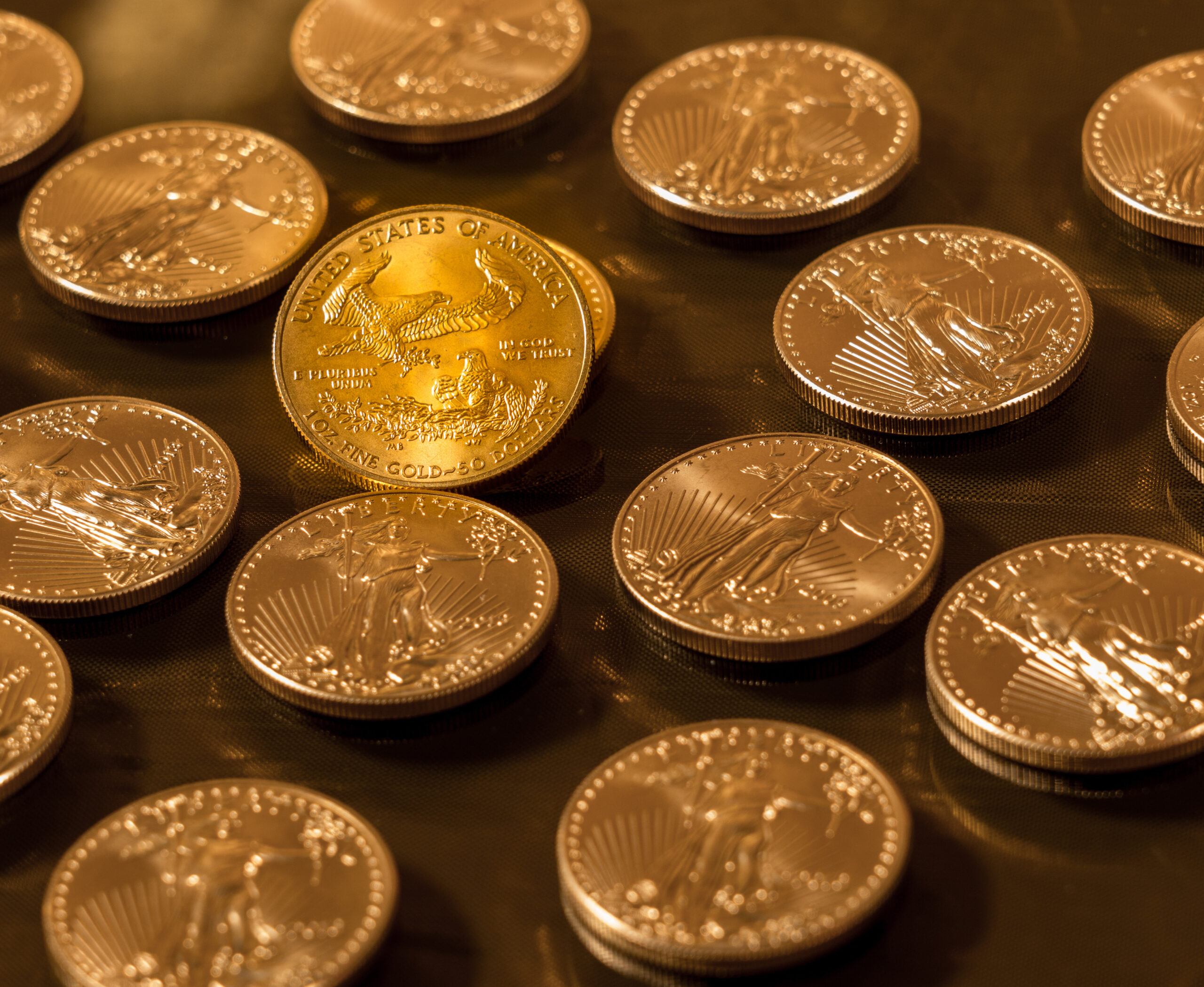
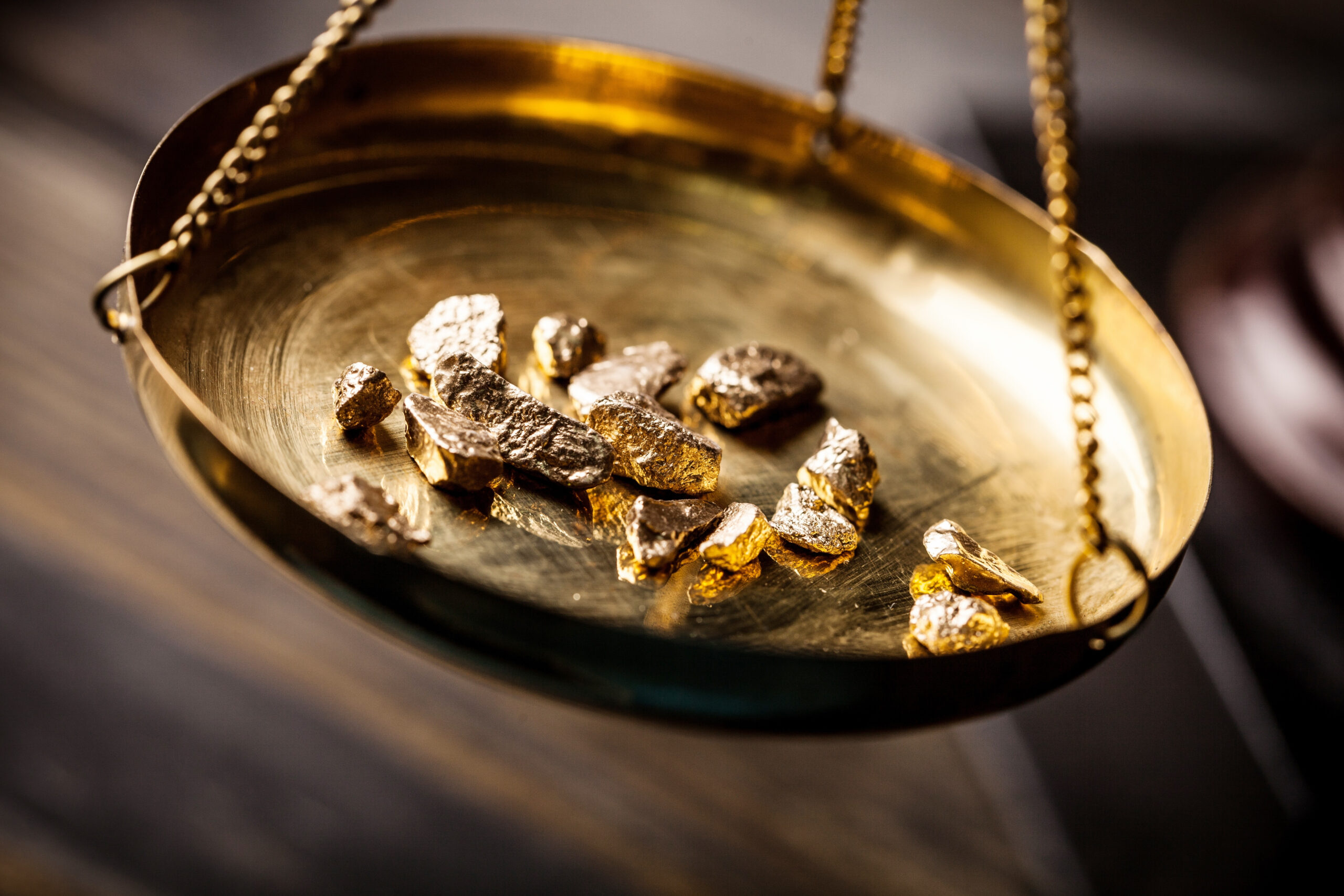
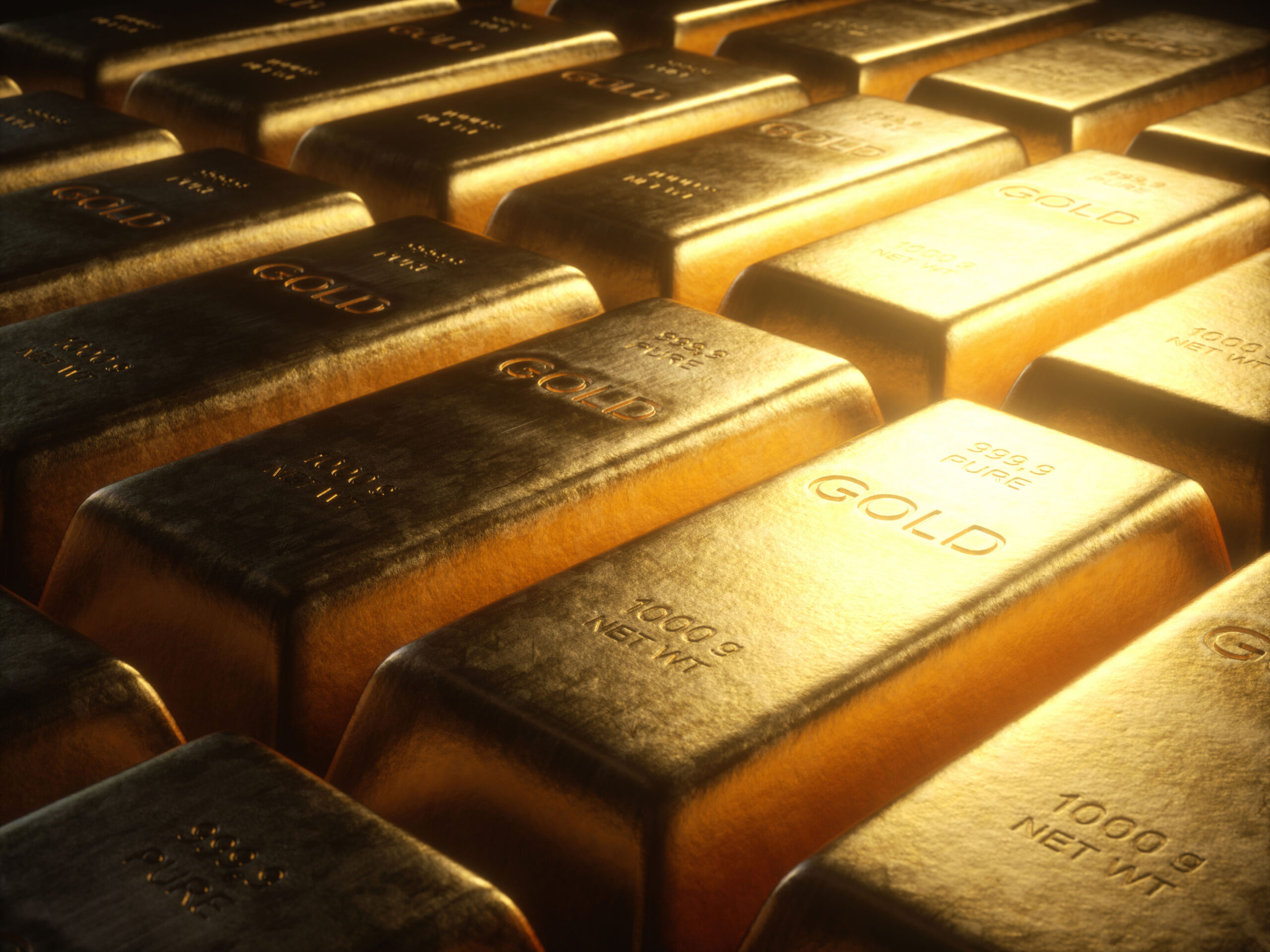










There’s a reason why we say good as gold when we mean very, very good. Gold is one of the earth’s most valuable commodities, known for its beauty, scarcity, and historic role as a store of value. While gold gets all the glory, it’s not the only precious metal that can add a little shine to your portfolio. Silver, platinum, and palladium all have their own unique investment attributes and benefits, and they can play an important role in a diversified portfolio.
Here’s what you need to know about the three main non-gold precious metals.
Silver
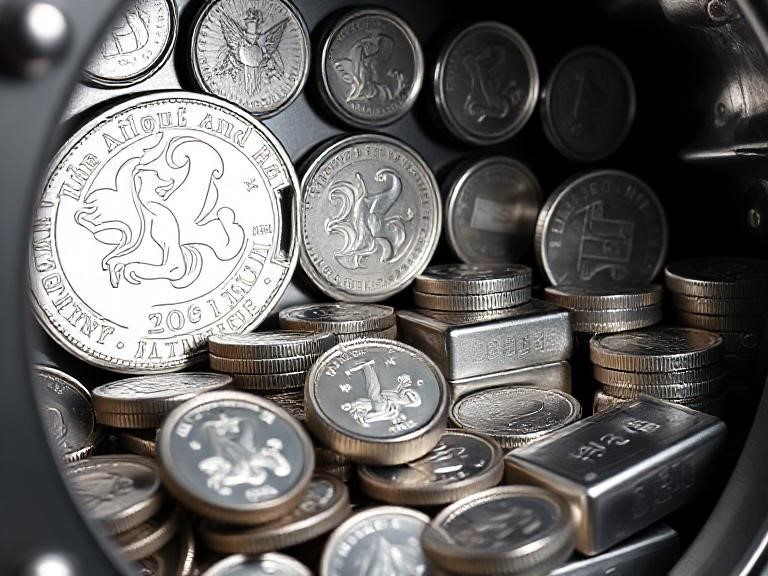
Silver has long lived in gold’s shadow. It is sometimes called the poor man’s gold. But there are valid reasons for investing in silver either in addition to or instead of gold.
The vast majority of the world’s silver comes from mines in China and Mexico. Mines produced just over 800 million ounces of silver last year according to the Silver Institute, and the amount of new silver coming onto the market has been relatively stable for decades.
At the same time, the demand for silver has grown rapidly because of its use in electronics, green energy technology, and electric vehicles. Right now, the auto industry consumes some 55 million ounces of silver every year, mostly for electric and hybrid vehicles, and as demand for green transport grows, that amount is expected to nearly double by 2025 to 90 million ounces.
Ounce for ounce, silver is more affordable than gold. At current prices, an ounce of gold is worth about eighty times more than an ounce of silver. As a result, you can obtain investment exposure to silver without laying out a fortune in cash. While silver prices tend to be more volatile than gold, the general price direction of silver has been historically similar to gold. This means silver can potentially offer many of the same portfolio benefits as gold, including:
- Growth: Like any commodity, silver prices typically fluctuate in the short term but can provide growth over time. Silver prices are usually uncorrelated to public markets like stocks and bonds, so they may zig when your other investments zag.
- Value: Silver is a store of value and a medium of exchange. Much like currency, it has been used in trade and banking for thousands of years.
- Demand: Silver prices are driven partly by industrial demand since silver is critical to products and processes including photography, jewelry making, household goods (such as cutlery), batteries (including those for electric vehicles), and solar panels.
Platinum
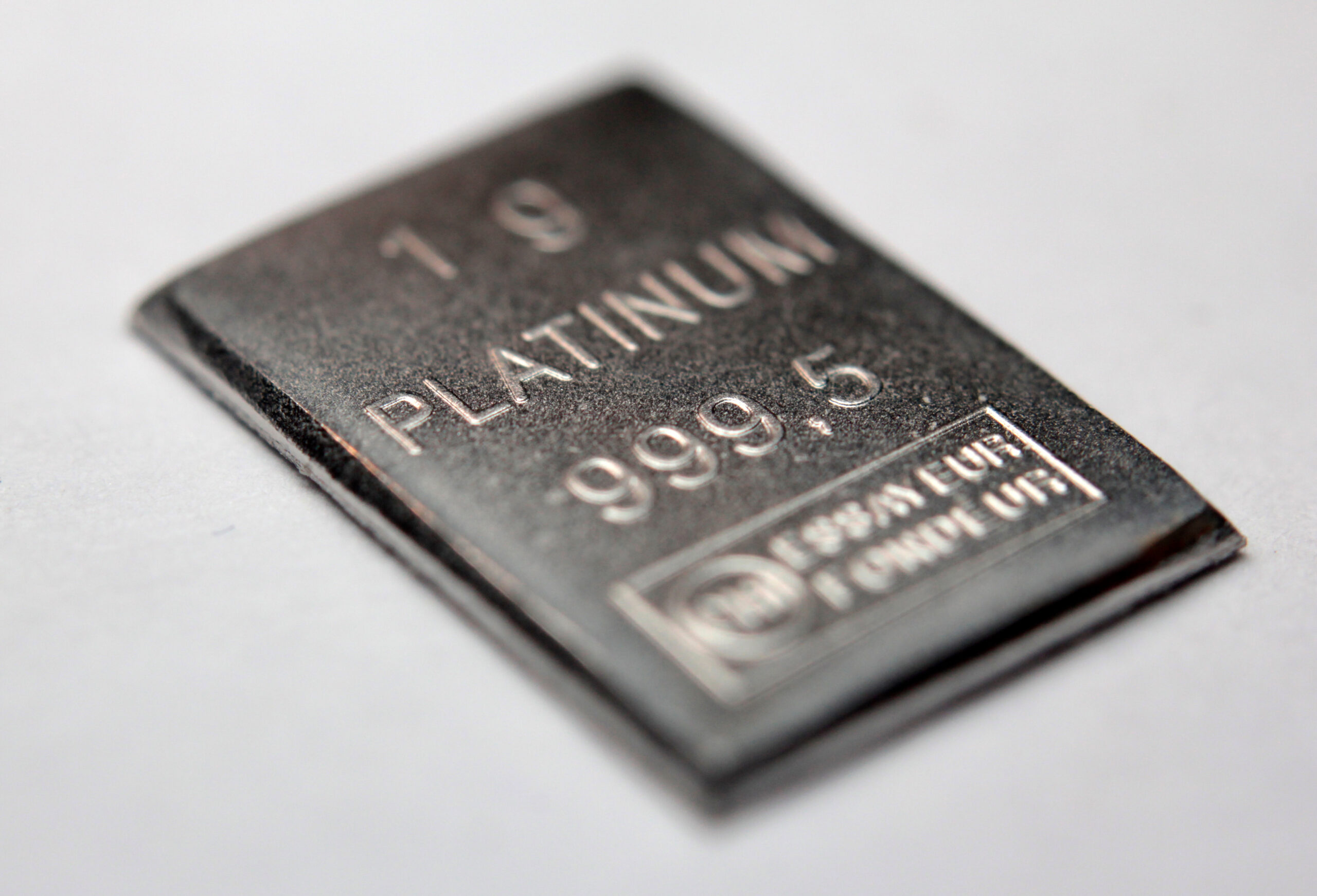
Often called white gold, platinum is three times as rare as gold but not nearly as expensive at current prices. Like other precious metals, its viewed by investors as a potential option for well diversified portfolios, but it is also critical to a number of industries. About one-third of world demand for platinum comes from the auto industry, which uses the metal in manufacturing catalytic converters. It is also widely used in jewelry and industrial processes.
Most of the world’s platinum comes from South Africa, which accounts for nearly three-quarters of global production. Other producers include Russia, Zimbabwe, Canada, and the U.S.
Like other metals, platinum can serve as a portfolio diversification tool because its performance generally doesn’t track the stock and bond markets closely. It can also be used as a hedge against inflation since its value usually rises with the general level of prices. Finally, platinum can be employed as a store of value.
Strong platinum demand already supports prices, and many experts expect industrial appetite for this metal will increase over time. Platinum has a number of future applications in the hydrogen and fuel cell markets, for instance.
Because it’s relatively rare but incredibly useful for many industries, platinum will likely stay at a high level of demand for a long time, and it’s expected much of its value would be derived from that demand.
Palladium
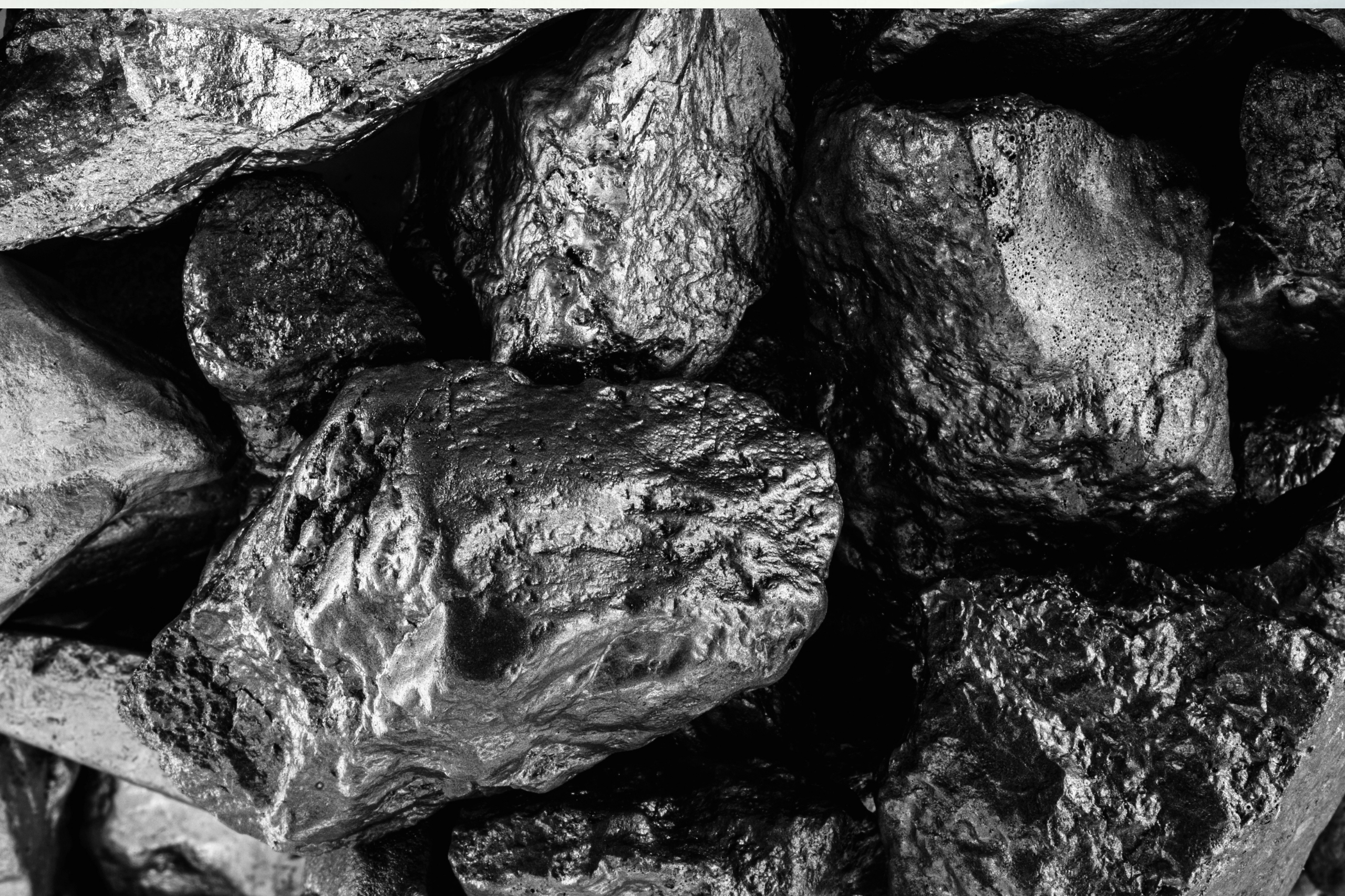
You may be less familiar with palladium, a relative newcomer to the precious metals space. However, this soft, white metal has a number of applications and, like many of its precious metal counterparts, bears some portfolio benefits as well.
Palladium is primarily mined in Russia, South Africa, and Canada. It is 30 times rarer than gold.
Like any precious metal, palladium can be used to diversify a portfolio. However, its price has fluctuated significantly over time, so it may be a more speculative investment compared to gold, silver, or platinum.
Palladium’s main industrial use is in catalytic converters, and its price has appreciated substantially since these devices were mandated in cars in the mid-1970s. In early 1977, an ounce of palladium cost $58.50; by the end of 2023, it was worth over $1,000.
Palladium has yet to establish a steady performance trend, but after several years of volatility, prices are starting to stabilize.
Two Ways to Buy Precious Metals with Battle Bank
You can invest in any of these precious metals with Battle Bank. We offer two ways to do it.
- Allocated: Here you choose which type of coin or bar you want to buy in the desired metal. You then choose to have the metal delivered directly to the address on your account (delivery fees apply), or you can choose to have us store the metals on your behalf (storage fees apply).
- Unallocated: You choose the desired metal, but you don’t need to choose which type of coin or bar to buy. Each purchase you make corresponds to a real piece of precious metal, which is pooled with all of the other Battle Bank unallocated metals holders. This is a lower cost option since you do not pay any of the premiums or storage fees that would apply to an Allocated Account. While it’s not possible to take delivery of unallocated metals, you can convert to an Allocated Account (fees apply) and take delivery.
All that Glitters Isn’t Gold
Gold has long held (and been used to make) the precious metal crown, but that doesn’t mean other precious metals like silver, platinum, and palladium don’t have an important part to play in a well-diversified, balanced portfolio. If you’re looking for diversification, inflation protection, and increasing demand from the automotive and technology industries, consider these alternative precious metals.